
November 3 did not feel like a strategy meeting. It felt like a collective exhale.
After an October that wrung everyone dry—physically, mentally, emotionally, financially—the SEA staff gathered not to plan outputs, but to talk about something far more radical in development work: rest.
Not rest as a reward.
Not rest as an excuse.
But rest as survival.
Rest Is Not Quitting—It’s Recalibrating
Cheryl opened the reflection with a truth many were living but few had named. After weeks of relentless challenges, she chose to sleep. Not to escape—but to recover.
She framed it simply: resting is not stopping. It is the first step toward moving again.
That line lingered. Especially when she added the quiet hope that everyone’s heart would still be here—because November and December would bring even more tests.
In community work, burnout doesn’t knock. It barges in. Cheryl named rest as the only way to keep the door standing.
Your Body Is Not a Machine (Even If You Treat It Like One)
Jean compared rest to charging a cellphone.
Simple. Familiar. Undeniable.
You don’t shame your phone for dying at 1%. You plug it in.
So why do we scold ourselves for needing the same?
Angela took it deeper. She talked about the strange exhaustion that lingers even after sleep—the kind that settles in the chest and breath.
The body is not a machine, she reminded everyone.
Even pauses—short breaths, stillness, moments of quiet—are already forms of rest.
Atchmen anchored the conversation with faith and humor.
If God rested after creation, what excuse do mortals have?
The room laughed. And nodded.
Against the Myth of “Lazy”
Janna called out the unspoken lie many of them had internalized:
that resting is for the lazy.
She pushed back gently but firmly. Rest is maintenance. Abuse your body long enough, and it will eventually force you to stop—on its own terms.
Trixie echoed this, saying rest doesn’t weaken you. It resets you. Health, after all, is still wealth—especially in a line of work that spends so much of itself for others.
Kurt shared a moment of quiet wisdom from chaos. When he was suddenly asked to emcee a General Assembly while exhausted, he didn’t panic.
He rested.
And because he did, he showed up better.
When the Body Collects the Bill
Ma’am Os spoke from lived reality. From September to October, she said, their bodies had been abused—especially bodies that carry both work and motherhood.
Rest is complicated when weekends are not weekends, when asthma flares up in the afternoon, when sleep comes in fragments.
She shared how she limits phone use on weekends—not as disconnection, but as protection. Information overload, she warned, is its own kind of exhaustion.
One line landed hard:
Your body will find ways to make you rest—even when you refuse.
Sometimes through sickness. Sometimes through burnout. Sometimes through collapse.
And then the reminder many needed to hear: the seventh day was made for rest and reflection. Not productivity. Not errands. Not proving anything.
Rest That Is Incomplete Without God
Angelic brought the conversation back to spiritual grounding. Rest, she said, feels different when God is part of it.
Mass, prayer, silence—these aren’t add-ons. They are medicine.
She shared how her own body sent a warning sign—blood pressure rising—forcing her to go home and stop. Seeing greenery alone helped her heal.
Even machines, she said, stop when batteries run out. Why do we expect humans to be exempt?
Elayza added a final caution:
don’t wait to get sick before allowing yourself to rest.
Rest as Responsibility
Ma’am Anne closed the reflection by reframing rest as responsibility.
When you are lutang, she said, that’s already a signal. Exhaustion leads to bad decisions, sharp reactions, and shallow compassion.
Rest has many dimensions—physical, emotional, spiritual. If one is missing, the body will tell you.
For young people, she urged them to use their alone time wisely. For working parents, she named the quiet sacrifices no one sees. For everyone: rest is how you become functional again—so you can give fully.
And above all, she reminded the room that true nourishment comes from God.
Why This Conversation Mattered
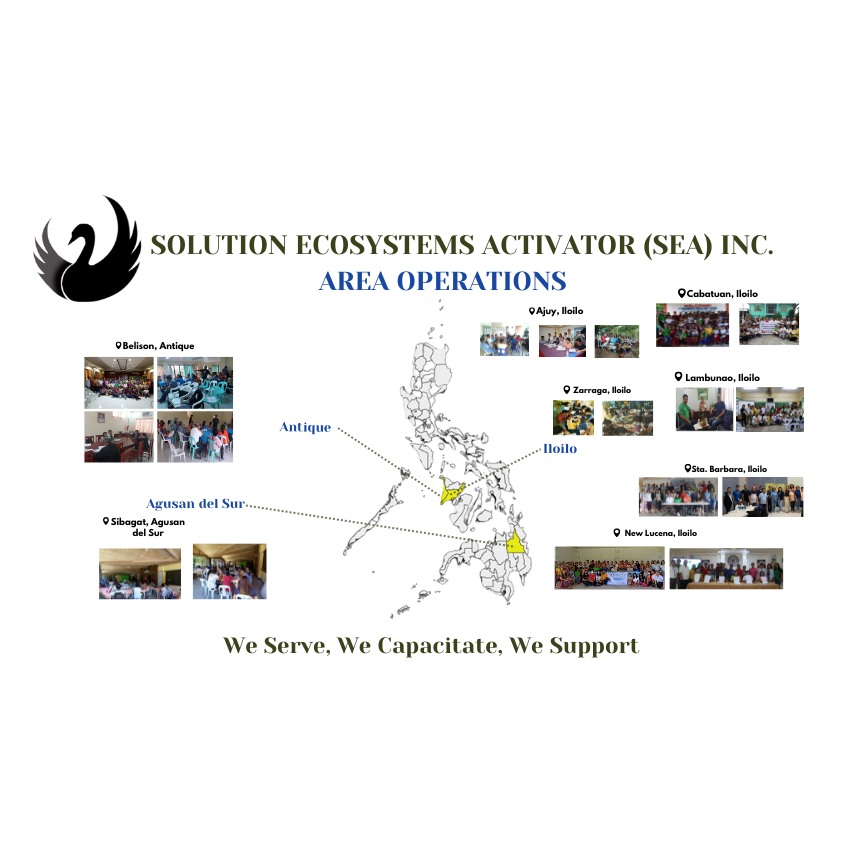
SEA works in communities that cannot afford burnout—from their leaders or their servants.
On November 3, rest stopped being a guilty pleasure and became a shared agreement.
That pausing is not weakness.
That sleeping is not surrender.
That silence can be sacred.
In a culture obsessed with doing more, SEA chose—just for a moment—to be.
And in that stillness, they remembered something essential:
You cannot pour from an empty cup.
But you can refill it—if you allow yourself to stop.

Leave a Reply